
A chipped tooth can happen unexpectedly—whether from biting into something hard, a sports injury, or even grinding your teeth at night. While some chips may seem minor, they can expose the inner layers of your tooth, increasing sensitivity and the risk of further damage. Knowing how to respond quickly can make a significant difference in preserving your tooth and minimizing discomfort.
At McCartney Dental in North Port, FL, patients often ask what steps to take immediately after chipping a tooth. Acting promptly not only helps reduce pain but can also improve the chances of a smoother, less invasive treatment process. Even small chips should not be ignored, as they can worsen over time if left untreated.
Immediate Steps to Take After Chipping a Tooth
When a tooth is chipped, your first priority should be protecting the tooth and preventing further injury. Start by gently rinsing your mouth with warm water to clean the area. If there is bleeding, applying gentle pressure with gauze can help control it. Saving any broken fragments of the tooth, if possible, may also be useful for your dentist.
To reduce swelling and discomfort, applying a cold compress to the outside of your cheek can be effective. Over-the-counter pain relievers can help manage pain, but avoid placing aspirin directly on the gums, as this can cause irritation. If the tooth has sharp edges, covering it with dental wax or sugar-free gum can prevent cuts to your tongue or cheeks until you can receive care.
Signs You Need Immediate Dental Attention
Not all chipped teeth require emergency care, but certain symptoms indicate the need for prompt attention. Severe pain, significant bleeding, or a large portion of the tooth missing are clear signs that you should seek help right away. Sensitivity to hot or cold temperatures can also suggest that the inner layers of the tooth are exposed.
If the chip results from trauma, it is especially important to have the tooth evaluated. Even if there is no immediate pain, underlying damage to the tooth root or surrounding bone may not be visible. Seeking timely care can prevent complications such as infection or the need for more extensive procedures later on.
Common Treatment Options for a Chipped Tooth
The treatment for a chipped tooth depends on the severity of the damage. Minor chips may be smoothed out or repaired using Dental Fillings, restoring the tooth’s shape and function. In some cases, bonding material can be applied to rebuild the missing portion, providing a natural appearance.
For more noticeable or structurally significant chips, Dental Crowns or Dental Veneers may be recommended. These options help protect the remaining tooth while improving aesthetics. In cases where the inner pulp is affected, procedures like Root Canals may be necessary to remove damaged tissue and preserve the tooth.
When a Chipped Tooth Becomes More Serious
Sometimes, a chipped tooth can lead to complications if not addressed promptly. Bacteria can enter through the damaged area, increasing the risk of decay or infection. Over time, this can weaken the tooth further and lead to more complex dental issues that require extensive treatment.
In severe cases where the tooth cannot be saved, extraction may be considered, followed by restorative options to replace the missing tooth. This highlights the importance of early intervention, as timely care can often prevent the need for more invasive procedures and help maintain your natural smile.
Tips to Prevent Future Tooth Damage
While accidents can’t always be avoided, there are steps you can take to reduce your risk of chipping a tooth. Being mindful of what you eat and avoiding biting down on hard objects like ice or pens can make a significant difference. Wearing a mouthguard during sports or if you grind your teeth at night is also highly recommended.
Here are a few simple ways to protect your teeth:
- Avoid chewing on hard items such as ice, nuts, or hard candies
- Use a mouthguard during physical activities
- Address teeth grinding with a custom nightguard
- Maintain regular dental checkups to catch issues early
Practicing good oral hygiene and staying proactive about dental care can help keep your teeth strong and less susceptible to damage.
Protecting Your Smile After a Dental Emergency
After experiencing a chipped tooth, follow-up care is just as important as the initial response. Monitoring the tooth for changes in sensitivity, pain, or appearance can help ensure that any complications are caught early. Maintaining a consistent oral care routine supports healing and helps prevent further damage.
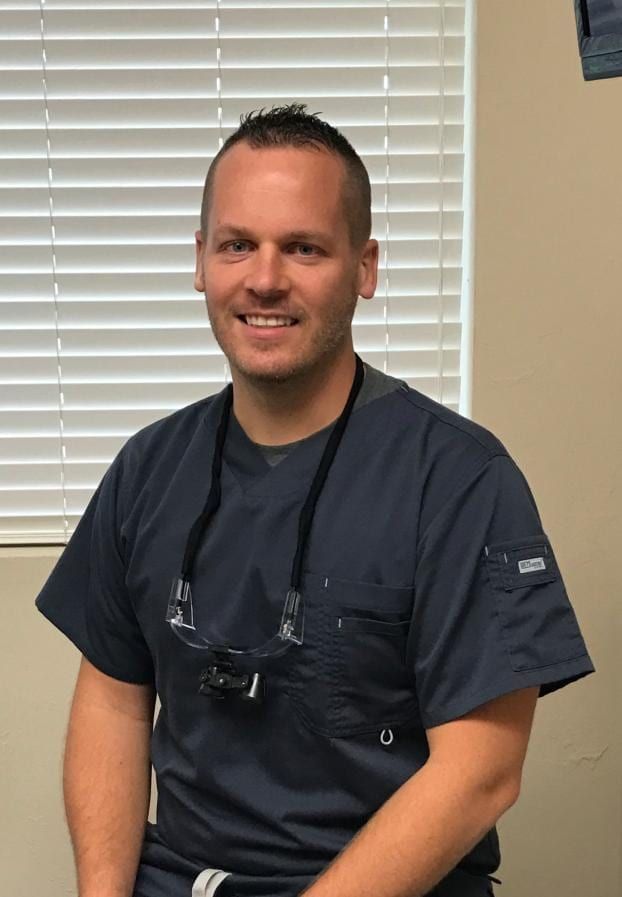
For those in North Port, FL, understanding how to handle a chipped tooth can make a stressful situation more manageable. McCartney Dental and Dr. Jonathan McCartney emphasize the importance of quick action and informed decision-making when it comes to dental emergencies, helping patients stay prepared and confident in protecting their oral health.
Conclusion
A chipped tooth may seem minor at first, but it can quickly develop into a more serious issue without proper care. Taking immediate steps to protect the tooth, recognizing when to seek help, and understanding available treatment options can all contribute to better outcomes. With the right approach, most chipped teeth can be effectively restored, allowing you to maintain both function and appearance. McCartney Dental in North Port, FL encourages patients to stay informed and proactive, ensuring their smiles remain healthy and resilient for years to come.
Sources
American Dental Association. (2023). Dental Emergencies.
Mayo Clinic. (2022). Broken Tooth: First Aid.
Cleveland Clinic. (2023). Chipped Tooth: Causes and Treatment.