
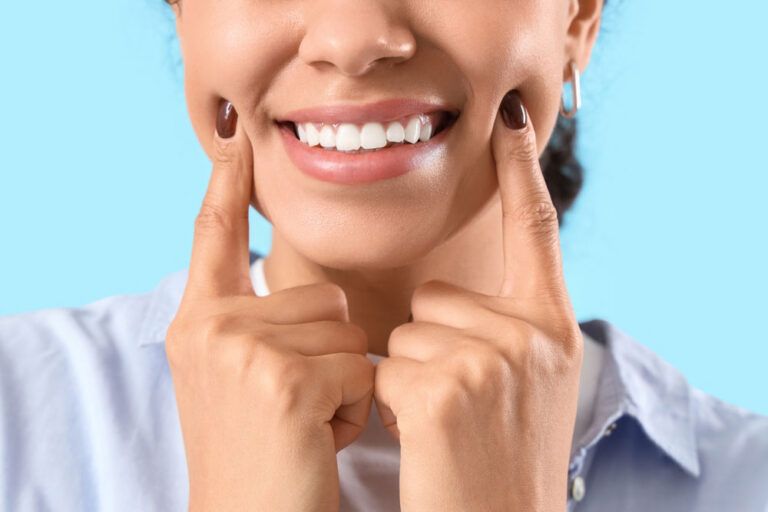
A brighter smile is one of the most requested cosmetic improvements, and many people turn to whitening treatments to achieve it. At McCartney Dental in North Port, FL, Dr. Jonathan McCartney often educates patients on how whitening actually works before they decide on treatment. Teeth whitening products use peroxide-based agents to break down stains on the enamel, allowing oxygen molecules to penetrate and lighten discoloration from within. This process targets both surface stains and deeper intrinsic stains caused by aging, medications, or lifestyle habits.
While whitening is generally safe when done correctly, the type of product used plays a major role in the outcome. Over-the-counter options tend to have lower concentrations of active ingredients, while professional treatments, like Teeth Whitening, use stronger formulas under controlled conditions. Understanding these differences helps patients make informed decisions and avoid unnecessary risks.
Is Teeth Whitening Safe for Everyone?
For most healthy adults, teeth whitening is considered safe when used as directed. However, not everyone is an ideal candidate. People with untreated cavities, gum disease, or worn enamel may experience complications if they whiten their teeth without addressing underlying dental issues first. That’s why maintaining routine oral health through services like General Dentistry is essential before considering cosmetic treatments.
Sensitivity is the most common side effect of whitening, and while it is usually temporary, it can be uncomfortable. Individuals with naturally sensitive teeth or exposed roots may notice increased discomfort during or after treatment. Additionally, whitening does not work on dental restorations such as crowns or veneers, which means patients with Dental Crowns or similar work may see uneven results if whitening is not carefully planned.
Common Risks and Side Effects to Be Aware Of
Although whitening is widely used, it’s not entirely without risks. Understanding these potential side effects can help patients use whitening products more responsibly and avoid overuse.
- Temporary tooth sensitivity
- Mild gum irritation from whitening agents
- Uneven whitening if restorations are present
- Enamel damage if products are overused or misused
Sensitivity typically occurs because the whitening agent temporarily opens pores in the enamel, exposing the inner layer of the tooth. This effect usually subsides within a few days. Gum irritation can happen if whitening gels come into prolonged contact with soft tissue, especially with ill-fitting trays from store-bought kits.
Overuse is one of the biggest concerns dentists highlight. Whitening too frequently or using high-strength products without guidance can weaken enamel over time. Patients who have had treatments like Dental Fillings should be particularly cautious, as excessive whitening may affect surrounding tooth structure.
Professional vs. At-Home Whitening: What’s the Difference?
One of the most important distinctions in whitening safety comes down to supervision. Professional whitening treatments are customized to the patient’s needs, ensuring proper concentration levels and minimizing exposure to gums. Dentists can also identify underlying issues before treatment begins, which reduces the risk of complications.
At-home kits, while convenient, often lack this level of personalization. Many people assume that “more is better” and may use these products more frequently than recommended, increasing the chance of sensitivity or irritation. In contrast, professionally guided whitening plans are tailored for gradual, controlled results, helping patients achieve a brighter smile without unnecessary harm.
Another factor to consider is longevity. Professional treatments tend to produce longer-lasting results compared to over-the-counter options. This means fewer repeat applications and less cumulative exposure to whitening agents over time, which ultimately contributes to better oral health outcomes.
How to Whiten Teeth Safely
Safe whitening starts with a solid foundation of oral health. Before beginning any whitening regimen, it’s important to address existing dental concerns. Conditions like decay or infections should be treated first, sometimes requiring procedures such as Root Canals to restore tooth health before cosmetic enhancements are considered.
Patients can improve safety by following a few key guidelines. First, always follow product instructions carefully and avoid exceeding recommended usage. Second, consider spacing out treatments to give teeth time to recover. Third, use desensitizing toothpaste if sensitivity occurs. Lastly, consult with a dental professional before starting any whitening treatment, especially if you have restorations, gum issues, or a history of sensitivity.
Diet also plays a role in maintaining results and minimizing the need for repeated whitening. Limiting staining foods and beverages such as coffee, tea, and red wine can help preserve brightness while reducing the frequency of treatments.
Long-Term Effects and Maintenance
When used properly, teeth whitening does not cause permanent damage. However, maintaining results requires ongoing care and moderation. Over time, teeth will naturally accumulate stains again, which may tempt individuals to whiten repeatedly. This is where balance becomes essential.
Instead of frequent whitening, patients should focus on good oral hygiene practices such as brushing, flossing, and regular dental visits. Preventive care helps maintain a bright smile without over-reliance on whitening products. For individuals with cosmetic restorations like Dental Veneers, maintaining consistency in color and appearance may involve a combination of whitening and replacement planning over time.
Ultimately, whitening should be viewed as part of a broader oral care strategy rather than a standalone solution. When approached thoughtfully, it can enhance appearance without compromising dental health.
Final Thoughts on Whitening Safety
Teeth whitening can be a safe and effective way to enhance your smile when done correctly and in moderation. Understanding how the process works, recognizing potential risks, and seeking professional guidance can make all the difference in achieving safe, satisfying results. At McCartney Dental in North Port, FL, Dr. Jonathan McCartney emphasizes the importance of informed decisions and personalized care when it comes to cosmetic treatments like whitening.
Sources
American Dental Association. (2023). Tooth Whitening/Bleaching: Treatment Considerations for Dentists.
Carey, C. M. (2014). Tooth Whitening: What We Now Know. Journal of Evidence-Based Dental Practice.
Kwon, S. R., & Wertz, P. W. (2015). Review of the Mechanism of Tooth Whitening. Journal of Esthetic and Restorative Dentistry.