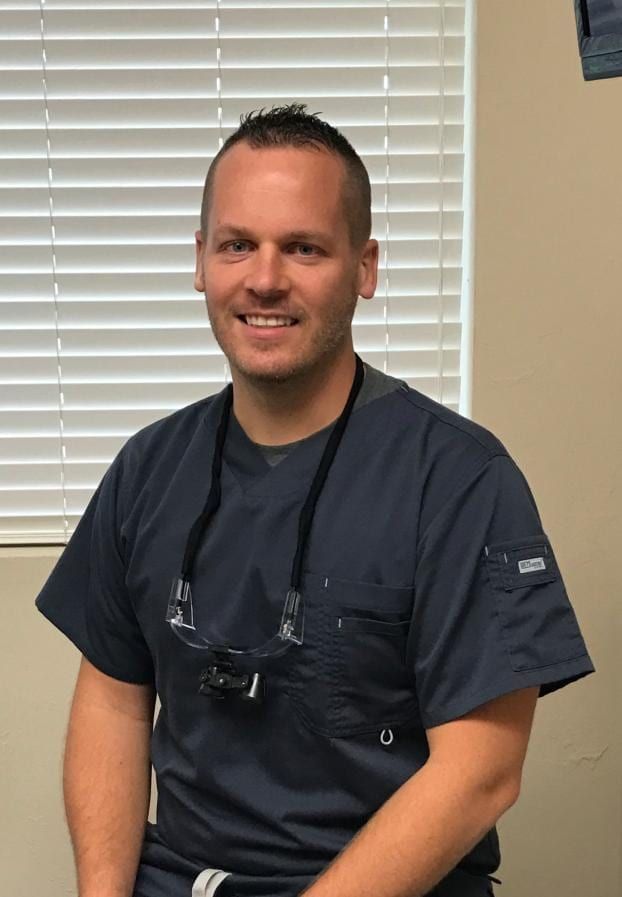

Visiting the dentist regularly is crucial for maintaining good oral health, but sometimes dental issues arise that require immediate attention. At McCartney Dental in North Port, FL, understanding which situations demand urgent care can help prevent severe pain, long-term damage, and costly procedures. Dr. Jonathan McCartney emphasizes the importance of recognizing these emergencies early to ensure patients receive timely care.
Severe Tooth Pain
Severe or persistent tooth pain is one of the most common indicators that you may need urgent dental care. Pain that does not subside with over-the-counter medication or is accompanied by swelling could signal a serious underlying problem, such as an infection or abscess. Dental infections can spread quickly and may require prompt treatment with procedures like root canals to remove infected tissue and preserve the tooth. Ignoring this type of pain can lead to complications that affect not only your oral health but your overall well-being.
Additionally, sudden sharp pain when biting or sensitivity to hot and cold could indicate structural damage to a tooth. Cracks or deep cavities might necessitate restorative solutions, such as dental crowns or dental fillings, to restore function and prevent further deterioration. Monitoring the severity and persistence of pain can help you determine if an urgent visit is necessary.
Broken, Chipped, or Knocked-Out Teeth
Accidents happen, and dental trauma is a common reason patients seek emergency care. A broken, chipped, or knocked-out tooth requires immediate attention to minimize damage and increase the chances of successful restoration. For instance, a displaced or damaged tooth might need dental implant restoration to replace the lost structure or dental veneers for aesthetic repairs.
If a tooth is completely knocked out, it is essential to handle it carefully and seek treatment within an hour if possible. Quick action can sometimes save the natural tooth. Even minor chips can lead to sensitivity, decay, or infection if left untreated. Prompt evaluation ensures appropriate restorative options are considered and prevents long-term oral complications.
Severe Swelling or Infection
Swelling in the gums, face, or jaw can be a serious sign of dental infection. This may present as painful, tender areas, or visible abscesses. If swelling is accompanied by fever, difficulty swallowing, or breathing, it becomes a medical emergency that requires immediate attention. Dental infections can spread to other parts of the body if untreated, so recognizing these symptoms early is critical.
In cases of localized infection, interventions such as teeth extraction or treatment for an abscess may be required. Swelling that affects dentures or partial dentures may also indicate that adjustments or denture repair are necessary. Regularly monitoring your oral health and noting any unusual changes can help identify infections before they escalate.
Loose or Dislodged Dental Appliances
Dental appliances, including dentures, partial dentures, or bridges, can sometimes become loose or damaged. A loose dental appliance can lead to irritation, infection, or misalignment of surrounding teeth. Timely intervention is essential to prevent more serious dental problems and restore proper function.
If a dental appliance breaks or no longer fits correctly, seeking prompt attention ensures it can be repaired or adjusted before causing further complications. Proper care of these appliances is vital not only for comfort but also for protecting overall oral health.
Uncontrolled Bleeding
Bleeding that persists after a dental procedure, injury, or spontaneously without an obvious cause can indicate a serious problem that requires urgent evaluation. Prolonged bleeding may result from trauma, gum disease, or underlying health issues. Addressing the root cause quickly is essential to prevent excessive blood loss or complications. Emergency dentistry services are equipped to stabilize the situation and provide necessary treatment to stop bleeding.
Recognizing the signs that require immediate attention can save teeth, reduce pain, and prevent infections from worsening. Patients should never hesitate to contact a dental professional if they experience sudden or severe symptoms.
Understanding these warning signs can help patients in North Port, FL take swift action to protect their oral health. McCartney Dental, led by Dr. Jonathan McCartney, encourages individuals to be proactive and seek care promptly when emergencies arise.
Resources:
- McLaughlin, K. A., & Nolen-Hoeksema, S. (2011). Rumination as a Transdiagnostic Factor in Depression and Anxiety. Behavior Researcher and Therapy.
- American Dental Association. (2020). Dental Emergencies.
- Mayo Clinic Staff. (2022). Dental Problems: When to See a Dentist.